LAUNCHING LATE 2026

DEEPSPACE-2

The first commercially viable path to deep space.
[COST]

[COST]

[BUS]

[BUS]

[LIFESPAN]

[LIFESPAN]

FRACTION OF TRADITIONAL MISSIONS

FRACTION OF TRADITIONAL MISSIONS

200KG MODULAR PLATFORM

200KG MODULAR PLATFORM

UP TO 2 YEARS

UP TO 2 YEARS

THE FIRST COMMERCIAL SPACECRAFT TO RENDEZVOUS WITH AN ASTEROID

THE FIRST COMMERCIAL SPACECRAFT TO RENDEZVOUS WITH AN ASTEROID

THE FIRST COMMERCIAL SPACECRAFT TO RENDEZVOUS WITH AN ASTEROID

Mission Type

Flyby and imaging mission

Spacecraft

200 kg, 2 kW power

PAYLOAD

Imaging and characterization equipment

MISSION PROFILE

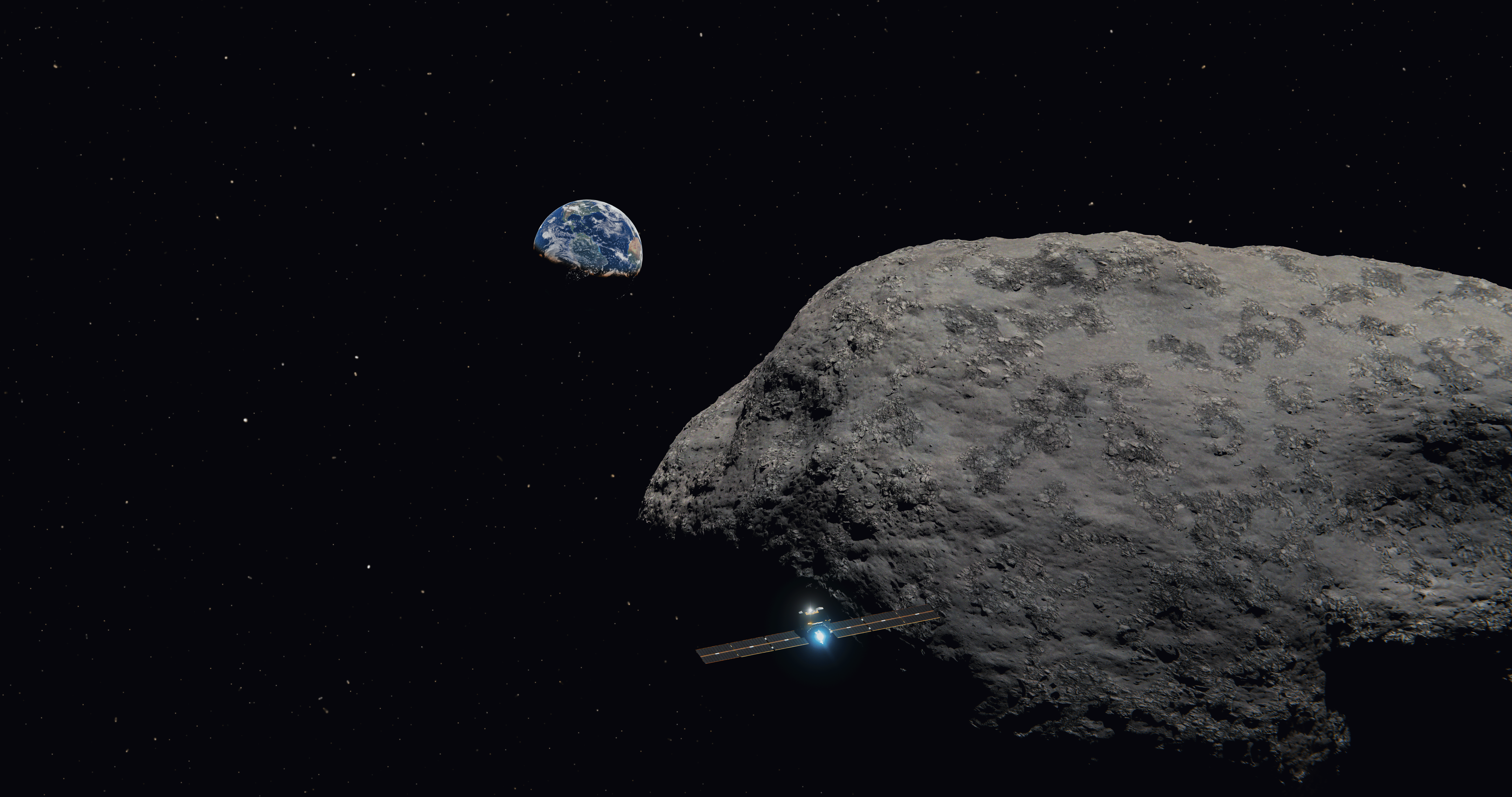
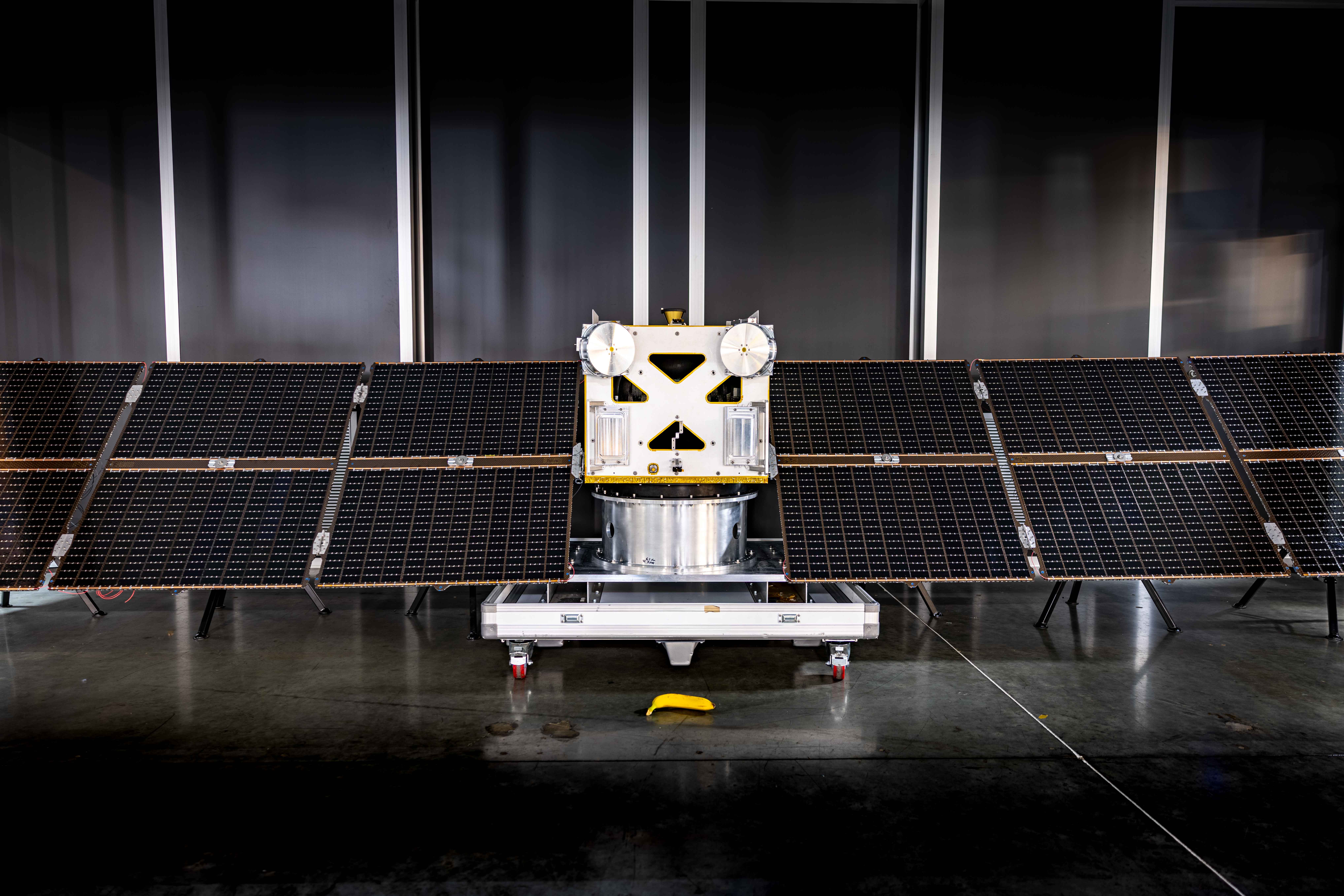
DeepSpace-2 is new kind of interplanetary spacecraft: low-cost, autonomous, and built to fly often. Launching in the fourth quarter of 2026, DeepSpace-2 will travel millions of kilometers to rendezvous with a near-Earth asteroid. Once there, the spacecraft will capture high-resolution imagery to characterize the asteroid's shape, structure, and mineral composition. The mission is built on our spacecraft bus, designed for high-cadence operations beyond Earth orbit using autonomous navigation and long-range communications. It is how we will expand humanity's reach beyond Earth orbit.
DEEPSPACE-2

CAPABILITIES

CAPABILITIES

CAPABILITIES

[01]

Propulsion

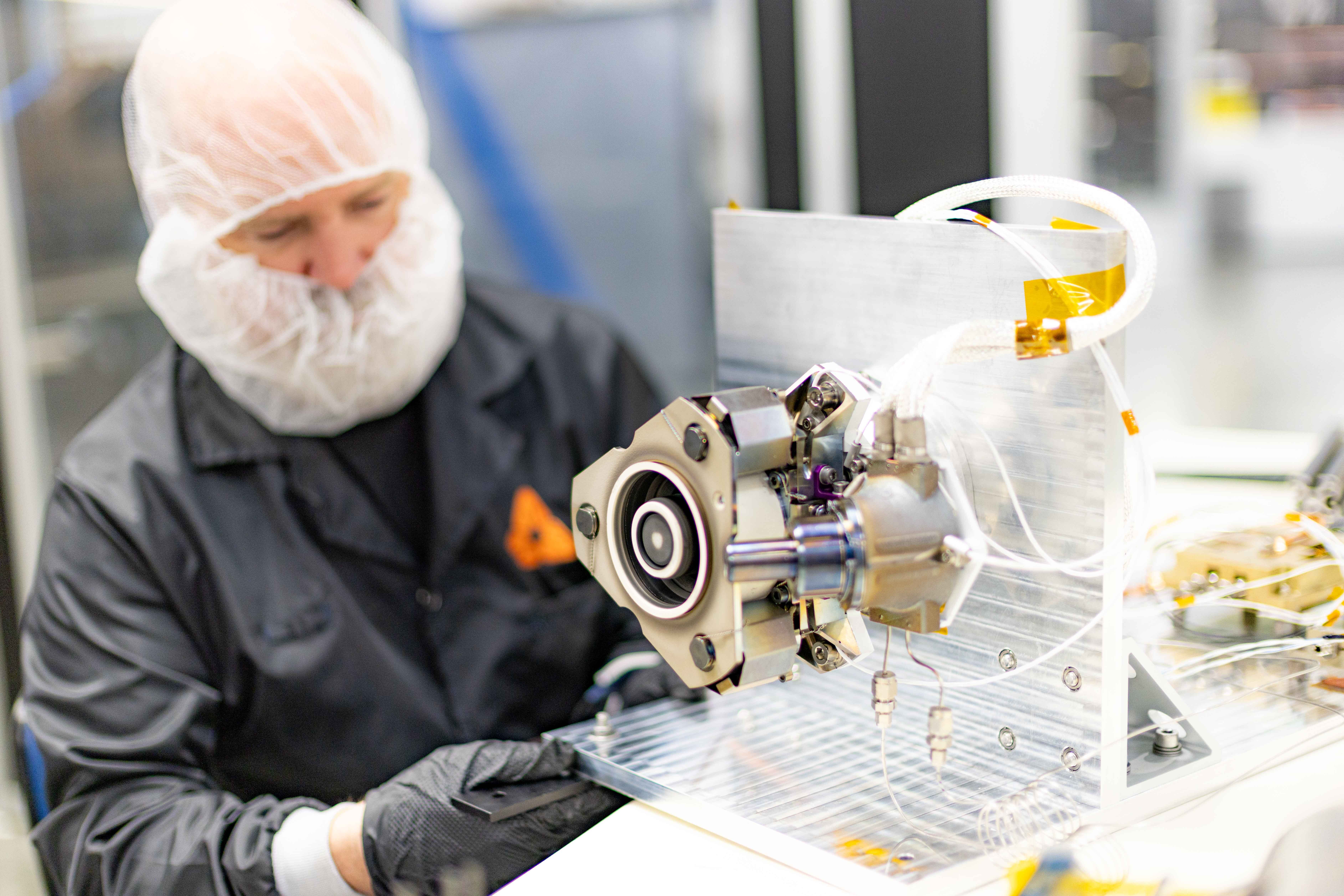
DeepSpace-2 uses Hall-effect thrusters, a form of electric propulsion that accelerates xenon ions to generate thrust. However, the spacecraft bus isn't locked into any single propulsion architecture. Future missions can fly chemical, electric, or a hybrid system, depending on the mission requirements: transit time, range, or both.

[01]

Propulsion

DeepSpace-2 uses Hall-effect thrusters, a form of electric propulsion that accelerates xenon ions to generate thrust. However, the spacecraft bus isn't locked into any single propulsion architecture. Future missions can fly chemical, electric, or a hybrid system, depending on the mission requirements: transit time, range, or both.

[01]

Propulsion

DeepSpace-2 uses Hall-effect thrusters, a form of electric propulsion that accelerates xenon ions to generate thrust. However, the spacecraft bus isn't locked into any single propulsion architecture. Future missions can fly chemical, electric, or a hybrid system, depending on the mission requirements: transit time, range, or both.

[02]

Payload

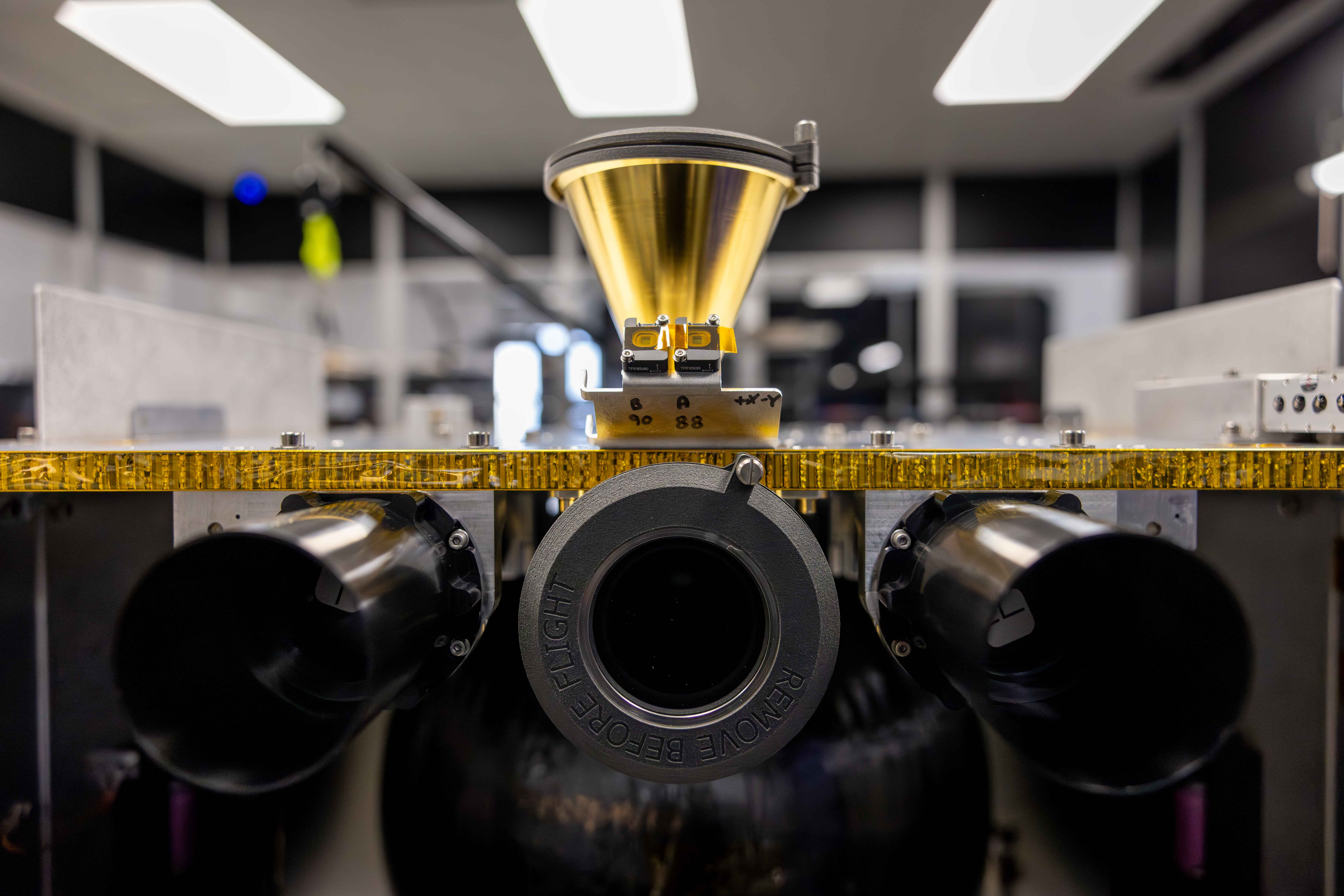
The bus is designed to support a wide range of payloads, from optical and infrared cameras to RF instruments, space domain awareness sensors, spectrometers, and eventually mining hardware. DeepSpace-2's payload is a high-resolution monochromatic camera. It will help us understand the asteroid's shape, surface features, texture, and reflectivity. It will also give clues as to its mineral composition.

[02]

Payload

The bus is designed to support a wide range of payloads, from optical and infrared cameras to RF instruments, space domain awareness sensors, spectrometers, and eventually mining hardware. DeepSpace-2's payload is a high-resolution monochromatic camera. It will help us understand the asteroid's shape, surface features, texture, and reflectivity. It will also give clues as to its mineral composition.

[02]

Payload

The bus is designed to support a wide range of payloads, from optical and infrared cameras to RF instruments, space domain awareness sensors, spectrometers, and eventually mining hardware. DeepSpace-2's payload is a high-resolution monochromatic camera. It will help us understand the asteroid's shape, surface features, texture, and reflectivity. It will also give clues as to its mineral composition.

[03]

POWER

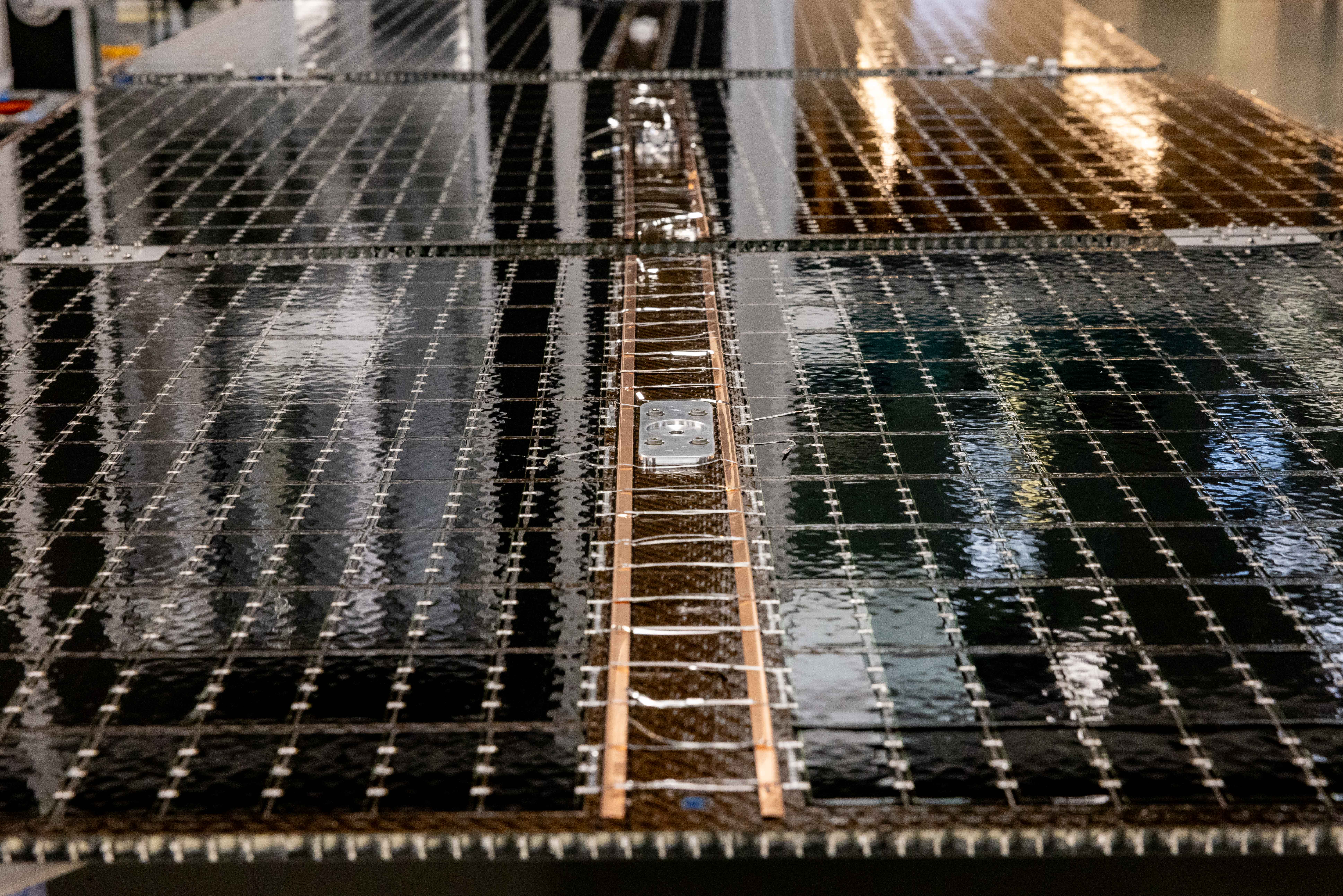
DeepSpace-2 generates 2 kW of power from onboard solar. That power means the spacecraft can stay alive even if the solar arrays do not fully deploy, and we can complete the mission with only one wing operating. This makes it the highest efficiency spacecraft ever flown.

[03]

POWER

DeepSpace-2 generates 2 kW of power from onboard solar. That power means the spacecraft can stay alive even if the solar arrays do not fully deploy, and we can complete the mission with only one wing operating. This makes it the highest efficiency spacecraft ever flown.

[03]

POWER

DeepSpace-2 generates 2 kW of power from onboard solar. That power means the spacecraft can stay alive even if the solar arrays do not fully deploy, and we can complete the mission with only one wing operating. This makes it the highest efficiency spacecraft ever flown.

[03]

COMMUNICATIONS

DeepSpace-2 stays in contact with Earth across distances up to 20 million kilometers. It uses omnidirectional antennas, which means the spacecraft does not need to precisely point back at Earth to communicate. That improves mission reliability and allows the spacecraft to maintain its thrust in a very specific direction while still sending and receiving data.

[03]

COMMUNICATIONS

DeepSpace-2 stays in contact with Earth across distances up to 20 million kilometers. It uses omnidirectional antennas, which means the spacecraft does not need to precisely point back at Earth to communicate. That improves mission reliability and allows the spacecraft to maintain its thrust in a very specific direction while still sending and receiving data.

[03]

COMMUNICATIONS

DeepSpace-2 stays in contact with Earth across distances up to 20 million kilometers. It uses omnidirectional antennas, which means the spacecraft does not need to precisely point back at Earth to communicate. That improves mission reliability and allows the spacecraft to maintain its thrust in a very specific direction while still sending and receiving data.

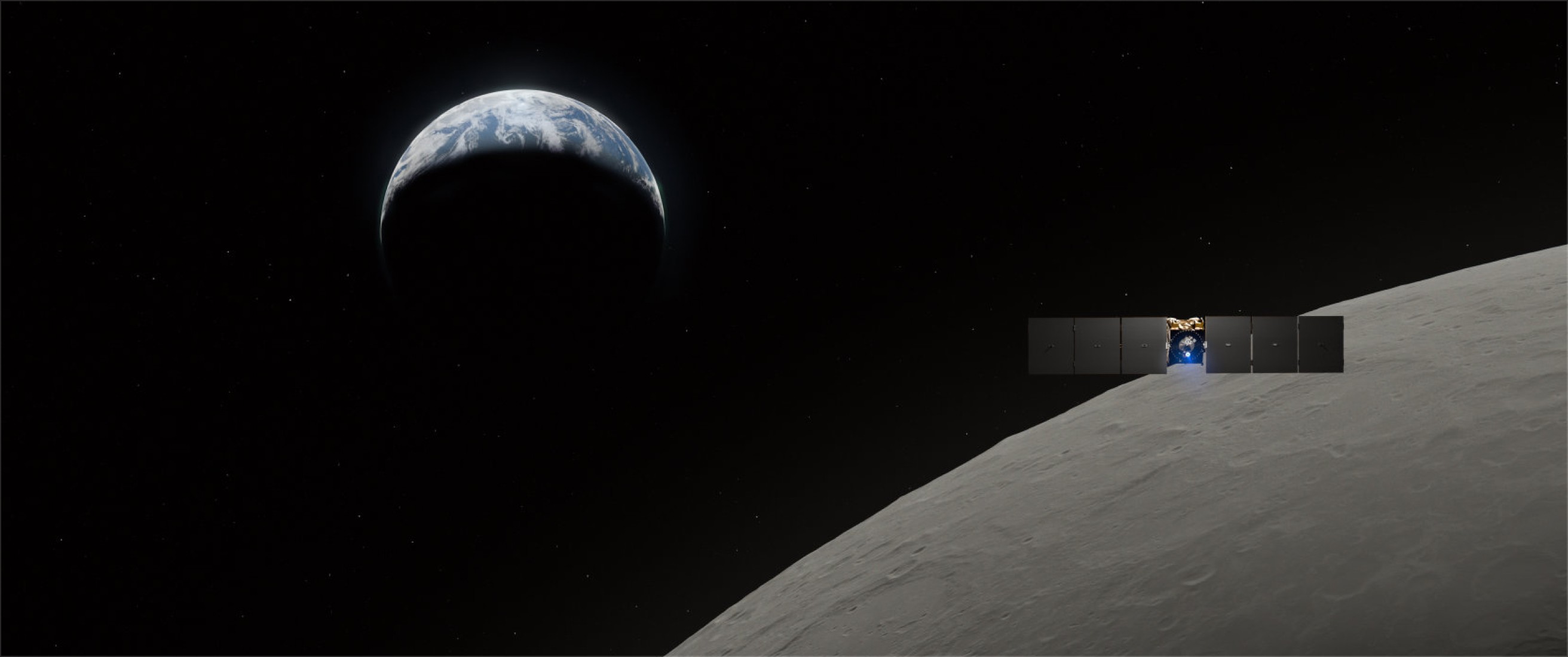
Mission trajectory

To Moon vicinity
T+3.5D
Lunar flyby
T+4.5d
Deep space cruise
T+5.5D
Rendezvous
T+1YR
20 million kILOmETERS FROM EARTH
TARGET: Near-Earth METALLIC asteroid
Near-Earth M-type asteroid

ENGINEERED TO REACH WHERE NO COMMERCIAL SPACECRAFT HAS GONE BEFORE

DeepSpace-2 is designed to travel 20 million km from Earth, rendezvous bodies, and operate autonomously for 2 years.

Avionics

NVIDIA Jetson AGX Xavier Industrial

Power

2 kW solar

Hall-effect Thruster

5 km/s Delta-V

60 kg Xenon Propellant

Payload Camera

04

05

06

02

03

Communications

S-band, up to 20 million km

Avionics

NVIDIA Jetson AGX Xavier Industrial

Power

2 kW solar

Hall-effect Thruster

5 km/s Delta-V

60 kg Xenon Propellant

01

04

05

06

02

03

Communications

S-band, up to 20 million km

Avionics

NVIDIA Jetson AGX Xavier Industrial

Power

2 kW solar

Hall-effect Thruster

5 km/s Delta-V

60 kg Xenon Propellant

Payload Camera

04

05

06

02

03

Communications

S-band, up to 20 million km

01: Payload Camera

02: 60kg Xenon

04: S-band up to 20 million kilometers

06: NVIDIA Jetson AGX Xavier Industrial

05: 2 kW solar

03: Hall-effect thrusters

Deep space payload services

Fly commercial payloads beyond Earth orbit.

Deep space payload services

Fly commercial payloads beyond Earth orbit.

SIGN UP FOR MISSION UPDATES

©2026 AstroForge. All rights reserved.

SIGN UP FOR MISSION UPDATES

©2026 AstroForge. All rights reserved.

SIGN UP FOR MISSION UPDATES

©2026 AstroForge. All rights reserved.